
TrueInsight
Siemens/Altair Channel Partner
Menu



Simulate Polyurethane Foam Processes
Predict defects, evaluate manufacturability, and optimize foam processes early in development.
About PolyFoam
What is Inspire PolyFoam?
A simulation tool for predicting and optimizing polyurethane foam manufacturing processes.
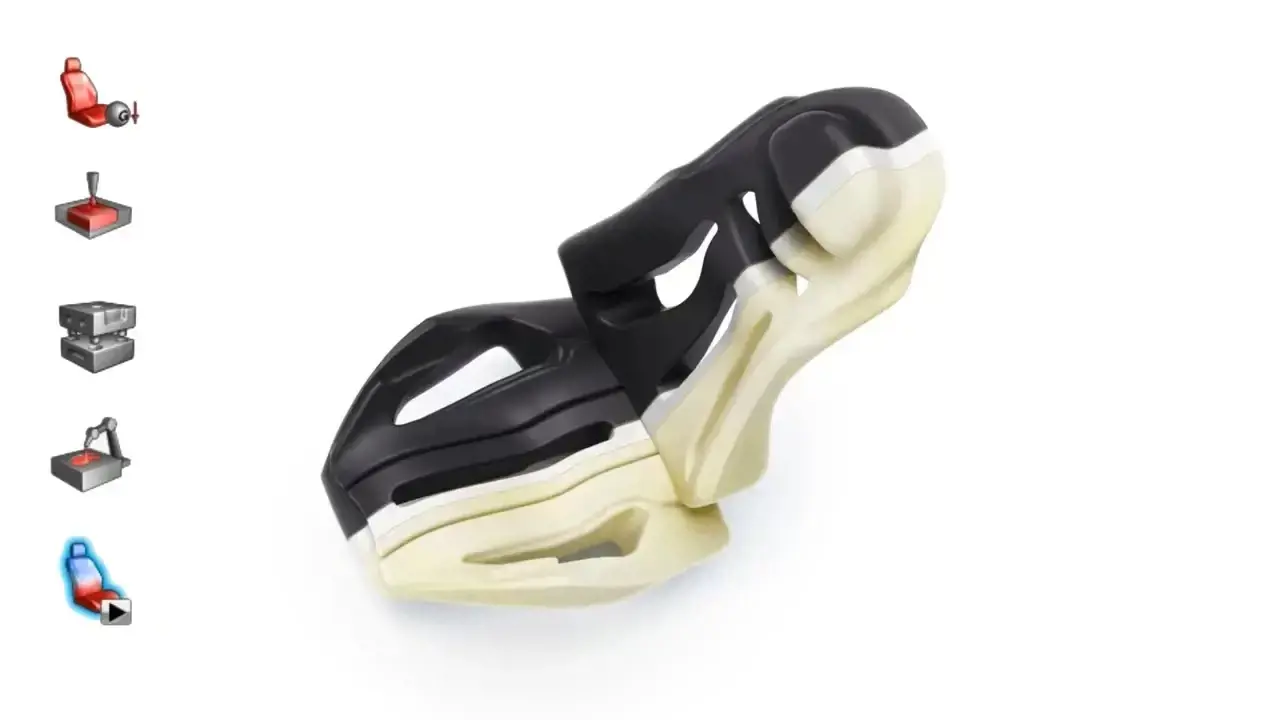
Inspire PolyFoam enables engineers to simulate rigid and flexible polyurethane foam behavior throughout the manufacturing process. It helps teams understand how foam fills, expands, cures, and cools inside molds, allowing early evaluation of manufacturability and product quality. The software supports key stages such as injection, filling, foaming, curing, and cooling, helping identify defects and optimize processes before production begins.
Key Features of Altair Inspire PolyFoam
Core simulation capabilities to model, predict, and optimize polyurethane foam manufacturing.
Polyurethane foam process simulation
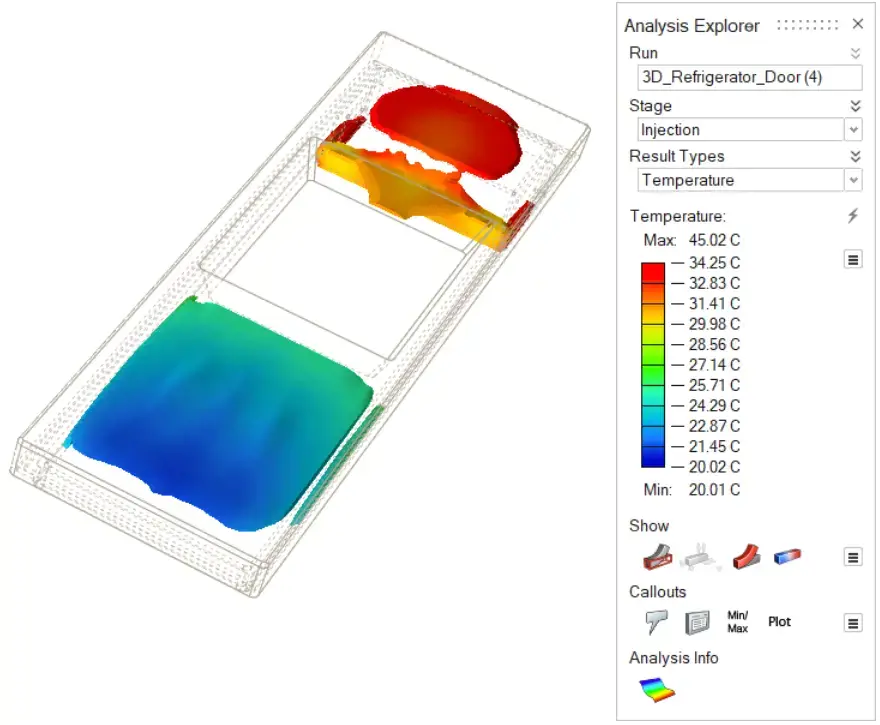
Altair Inspire PolyFoam simulates the physical processes required to create a polyurethane foam part. It is built for polyurethane molding and foaming workflows, with simulation across injection, filling, foaming, curing, and cooling so users can evaluate how the process behaves before production.

Defect prediction for foam manufacturing
Inspire PolyFoam helps identify manufacturing defects that affect foam part quality. It can detect issues such as air traps, porosity, weld lines, and turn-up, helping teams study where process conditions or setup choices may cause defects in the finished part.
Multi-foam and material control
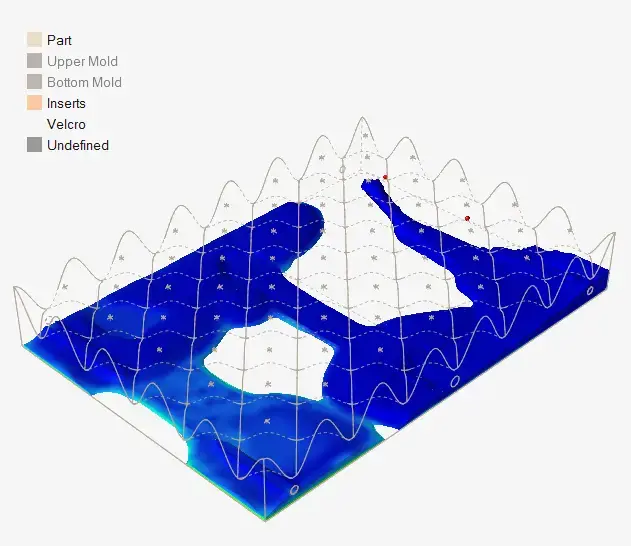
Inspire PolyFoam supports simulation of more than one foam in the same mold or process and includes material-property workflows for foam setup. It can work with existing material data, custom material definitions, and material characterization workflows used to prepare accurate foam simulations.
Capabilities of Altair Inspire PolyFoam
Comprehensive tools to define geometry, materials, and process conditions for accurate foam simulations.
Part, tooling, and process setup
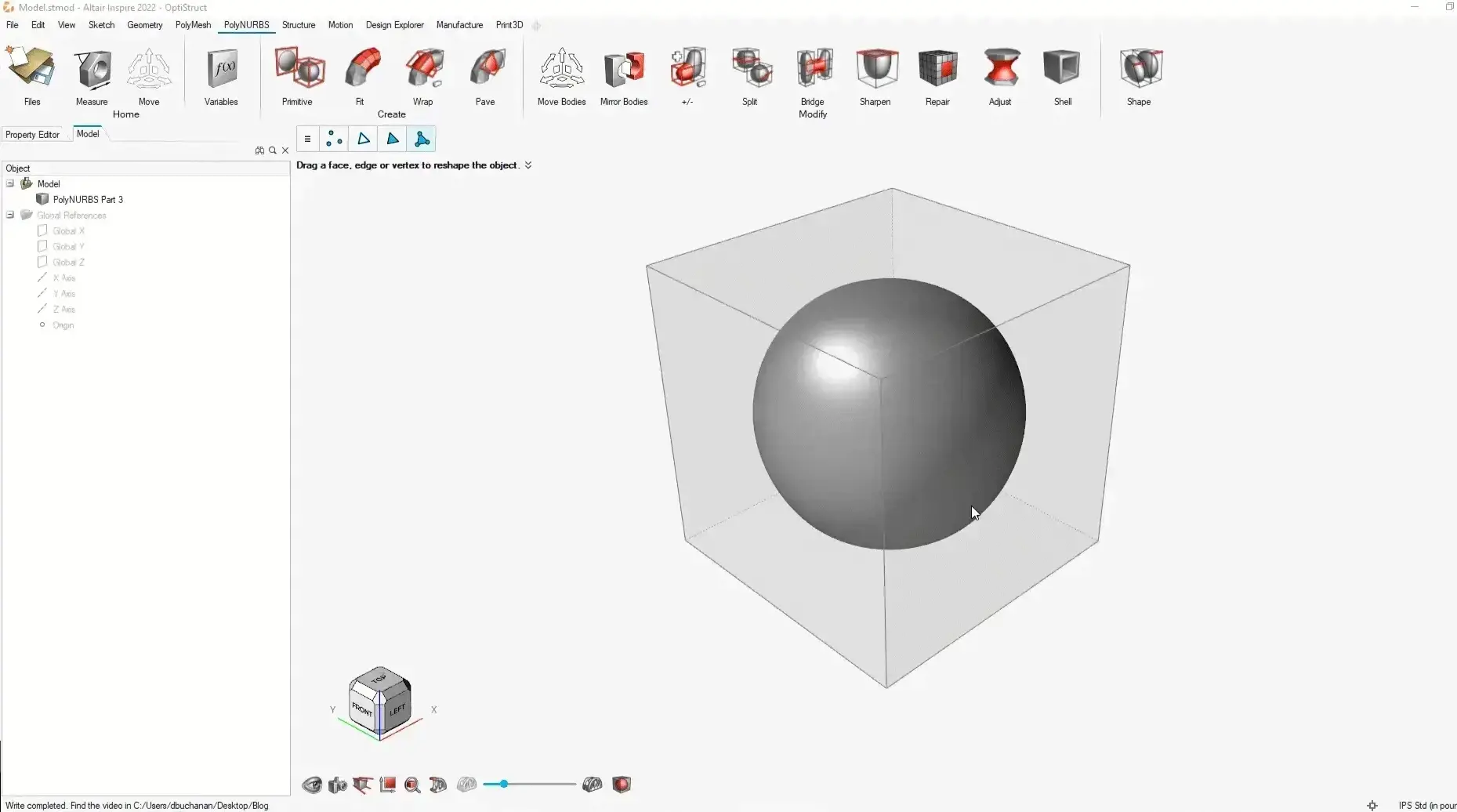
Inspire PolyFoam includes setup tools for the foam part, nozzles, materials, tooling, and process parameters before analysis. This supports preparation of the manufacturing model before running the foaming simulation.
Imported geometry and mold definition
The workflow supports defining the part and tooling from imported CAD geometry. This makes it possible to prepare the foam component and mold environment directly from existing design data before simulation.
Gates, nozzles, vents, and inserts
Inspire PolyFoam supports process and tooling definition for gates and nozzles, along with vents and inserts used in the mold setup. It can also be used to study different process configurations such as injection direction and nozzle behavior.
Pouring cup test and material characterization
The software includes an optional pouring cup test to evaluate foaming material behavior before the full part simulation. It also supports material characterization workflows based on experimental data for building and refining material definitions.
Material database and custom material editing
Inspire PolyFoam provides access to installed and user-defined materials, with tools to review, assign, modify, import, and export materials. Material editing includes physical, kinetic, gas-loss, viscosity, and rheology properties.
Stage-based analysis results
The analysis workflow provides results by process stage, including injection, foaming, curing, and defects. This helps users review what happens throughout the polyurethane foam process instead of only checking a final result.
Quick reporting
After a foaming analysis is completed, Inspire PolyFoam can generate a quick report and export it as a PDF or PowerPoint file.
PolyFoam Implementation & Support

Accelerate Your PolyFoam Adoption with Expert Support
From initial setup to production-ready workflows, we help you implement PolyFoam efficiently and with confidence.
Whether you're validating a new foam component, reducing mold trials, or optimizing manufacturing processes, our experts guide you through every stage. We help you move from simulation to real-world results faster, ensuring accurate models, efficient workflows, and reliable outcomes from day one.
Frequently Asked Questions
It is used to simulate and validate polyurethane foam part design and the manufacturing processes required to produce the part, helping teams evaluate manufacturability earlier in development.
Yes. The official product scope specifically covers rigid and flexible polyurethane foams, and the help content also references rigid, flexible, and semi-rigid polyurethane foam workflows.
It can help identify common foam manufacturing defects and process issues such as air traps, porosity, weld lines, turn-up, and filling-related problems before molds are finalized.
Yes. Inspire PolyFoam supports comparison of process setups such as fixed, moving, or sequential gates and nozzles, injection directions, vents, inserts, and related tooling variables.
Yes. The help and recent product updates show support for pouring cup testing and material characterization workflows that help users evaluate and refine material behavior for foam simulation.
It supports both. Users can review stage-specific results, generate reports from analysis results, and export geometry and results for use in other applications.
Ready to Take the Next Step with Inspire PolyFoam
Evaluate polyurethane foam manufacturing earlier, reduce avoidable mold trials, and make better process decisions before production.